

Solid shampoo for every hair type: Which one is right for me?
Solid Shampoo for Every Hair Type – How to Find the Right Product
Solid shampoos are becoming increasingly popular – they are space-saving, long-lasting, and environmentally friendly, as they mostly come without plastic packaging¹. But how do you find the right solid shampoo for your hair type? The choice should depend on the ingredients².
Why Solid Shampoo?
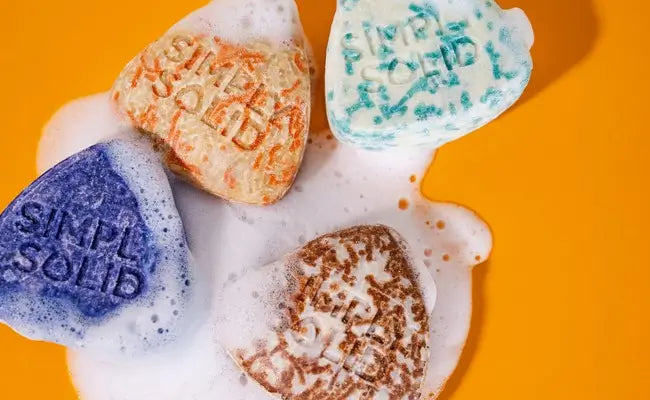
Solid shampoo is a highly concentrated care product to which – unlike liquid shampoo – no water has been added during manufacturing. This means it doesn't require preservatives and is generally more economical than liquid alternatives³. Another plus: most solid shampoos are free from silicones, synthetic fragrances, or parabens⁴.
Unlike hair soaps, which are created by saponifying oils and have an alkaline pH value, solid shampoos are tailored to the needs of hair and scalp – their pH value is usually in the skin-neutral to slightly acidic range, i.e., between 4.5 and 5.5⁵. This is important because the natural acid mantle of the scalp and hair lies within this range, thus protecting the hair structure⁶.
Which Solid Shampoo Suits Which Hair Type?
1. Oily Hair and Quickly Greasy Scalp
Oily scalp is caused by overactive sebaceous glands, which can be stimulated by hormonal fluctuations, stress, or external factors⁷. A solid shampoo with mild surfactants cleanses the scalp thoroughly without irritating or drying it out⁸. Ingredients such as healing clay, nettle, or tea tree oil can help regulate oiliness⁹.
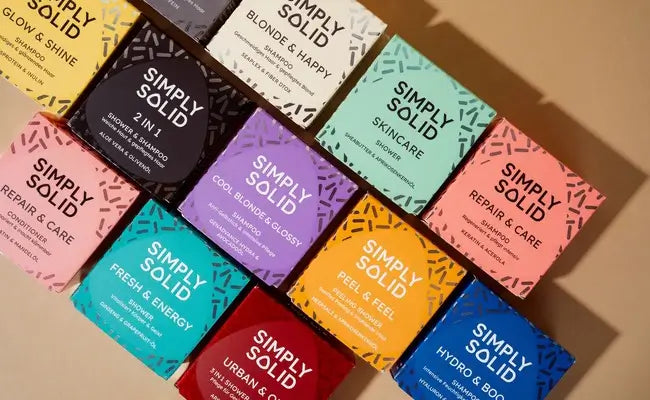
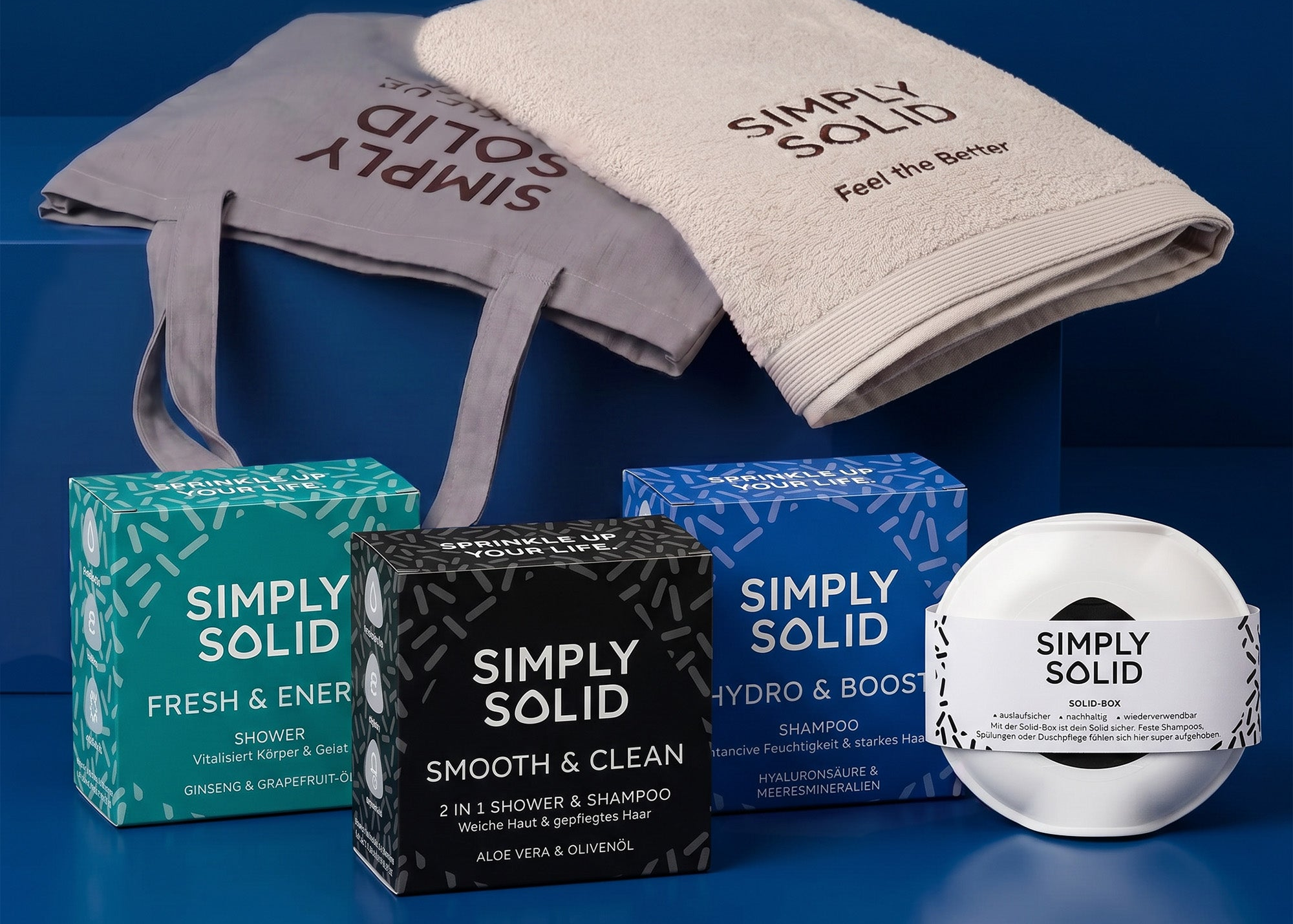
It is important to find a balance – overly aggressive cleansing can even increase sebum production¹⁰. Those prone to a quickly greasy scalp and dry ends should choose a shampoo with a cleansing yet moisturizing effect (e.g., our Hydro & Boost Shampoo)
2. Dry Scalp and Brittle Hair
Dry scalp often manifests as tightness, itching, or flaking. This is often due to reduced sebum production or external factors such as heating air or incorrect care¹¹. Solid shampoos with moisturizing ingredients such as shea butter, coconut oil, or oat extract can help here¹². Important: choose non-irritating formulations without alcohol or harsh fragrances to avoid further disrupting the skin barrier¹³.
3. Fine Hair
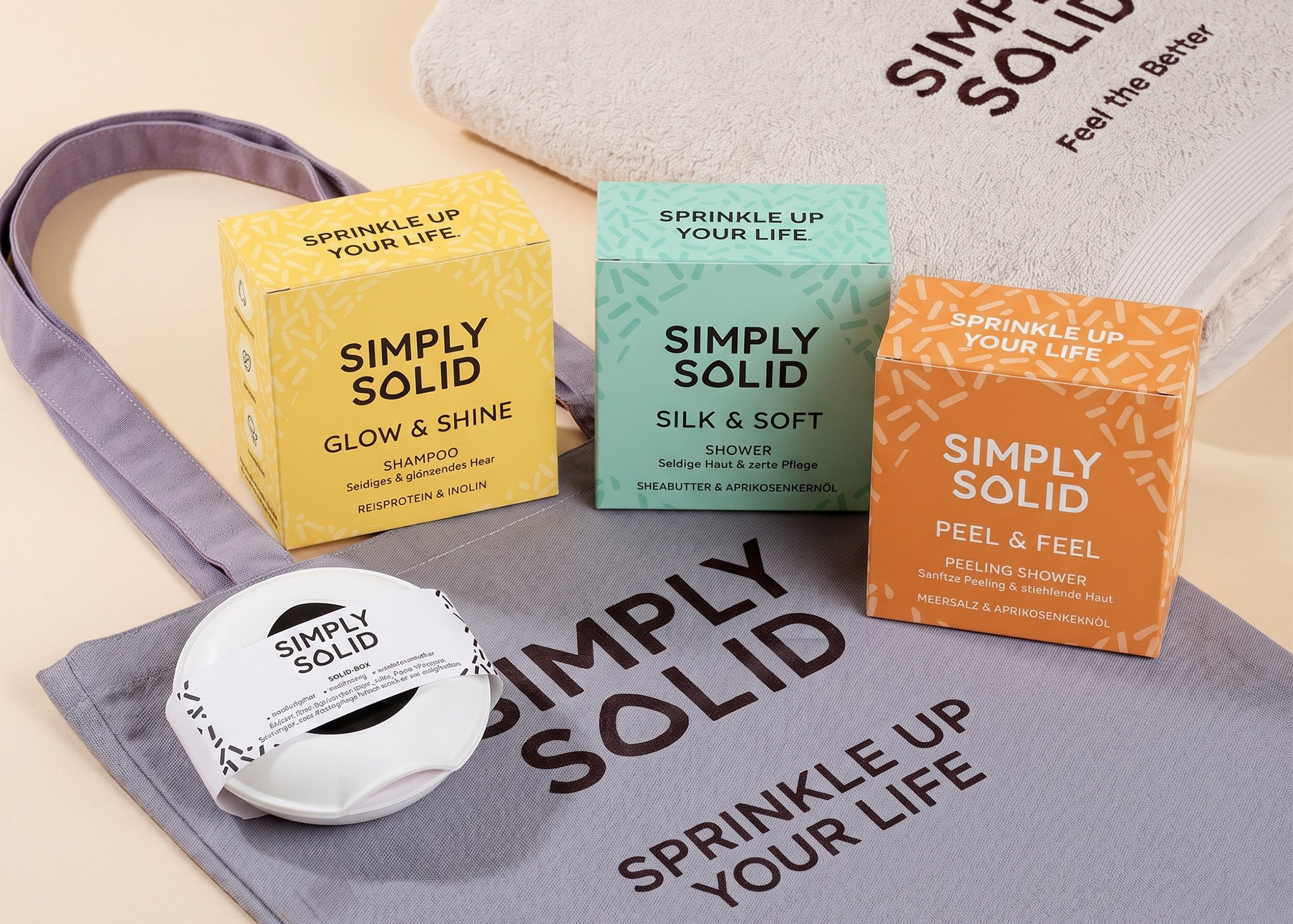
Fine hair tends to look limp and dull quickly. Here, solid shampoos with light, volumizing ingredients such as rice protein, green tea, or clay are recommended¹⁴. These cleanse gently without weighing down the hair. Rich oils should be avoided as they can quickly make the hair appear greasy. Take a look at our Glow & Shine Shampoo with rice protein & inulin for more volume and shine.
4. Curly or Frizzy Hair
Curly hair is often drier than straight hair because scalp sebum is more difficult to distribute along the hair structure¹⁵. Solid shampoos with a high moisture content – for example, with aloe vera, glycerin, or vegetable oils – are ideal. Protein-rich ingredients such as wheat or silk protein also support the hair structure and promote elasticity¹⁶.
Tip: Ingredients Instead of Label
There are solid shampoos for all hair types, but no single product is universally suitable for everyone. Pay attention to your individual needs and the list of ingredients. Depending on the formulation, solid shampoos can even alleviate sensitive scalp, dandruff, or hair breakage – provided they are correctly formulated¹⁷.
References
¹ Stiftung Warentest. (2020). Solid Shampoos – Good for Hair and Environment.
² Verbraucherzentrale. (2023). What are solid shampoos good for?
³ Öko-Institut e.V. (2023). Life cycle assessment of solid vs. liquid cosmetics.
⁴ NATRUE.org. (2022). Natural cosmetics and shampoo formulation guide.
⁵ Trüeb, R. M. (2005). The value of pH in cosmetic hair care.
⁶ Haut.de. (2023). Cosmetic Ingredients Explained – Surfactants and pH Value.
⁷ Trichology Research Council. (2021). Sebum production and hormonal factors.
⁸ PubChem / NIH. (2023). Sodium Cocoyl Isethionate – Profile and cosmetic use.
⁹ DermNet NZ. (2021). Oily scalp and natural remedies.
¹⁰ American Academy of Dermatology. (2020). Hair care myths and facts.
¹¹ Mayo Clinic. (2023). Scalp conditions overview.
¹² NaturallyCurly.com (2022). Moisturizing ingredients for dry hair.
¹³ Rossmann. (2023). Product tips for sensitive scalp.
¹⁴ Stiftung Warentest. (2020). Hair care for sensitive types.
¹⁵ Journal of Cosmetic Dermatology. (2021). Curly hair structure and moisture loss.
¹⁶ L'Oréal Research. (2021). Effects of proteins on hair elasticity.
¹⁷ DM Online. (2024). Solid shampoo: How to find the right product.


